ZED Cameras Natively Supported in NVIDIA Isaac ROS for Faster Perception Deployment
See Stereolabs ZED Cameras live at ROSCon 2026: Plug in a ZED camera and your robot's vision runs on the GPU at full speed
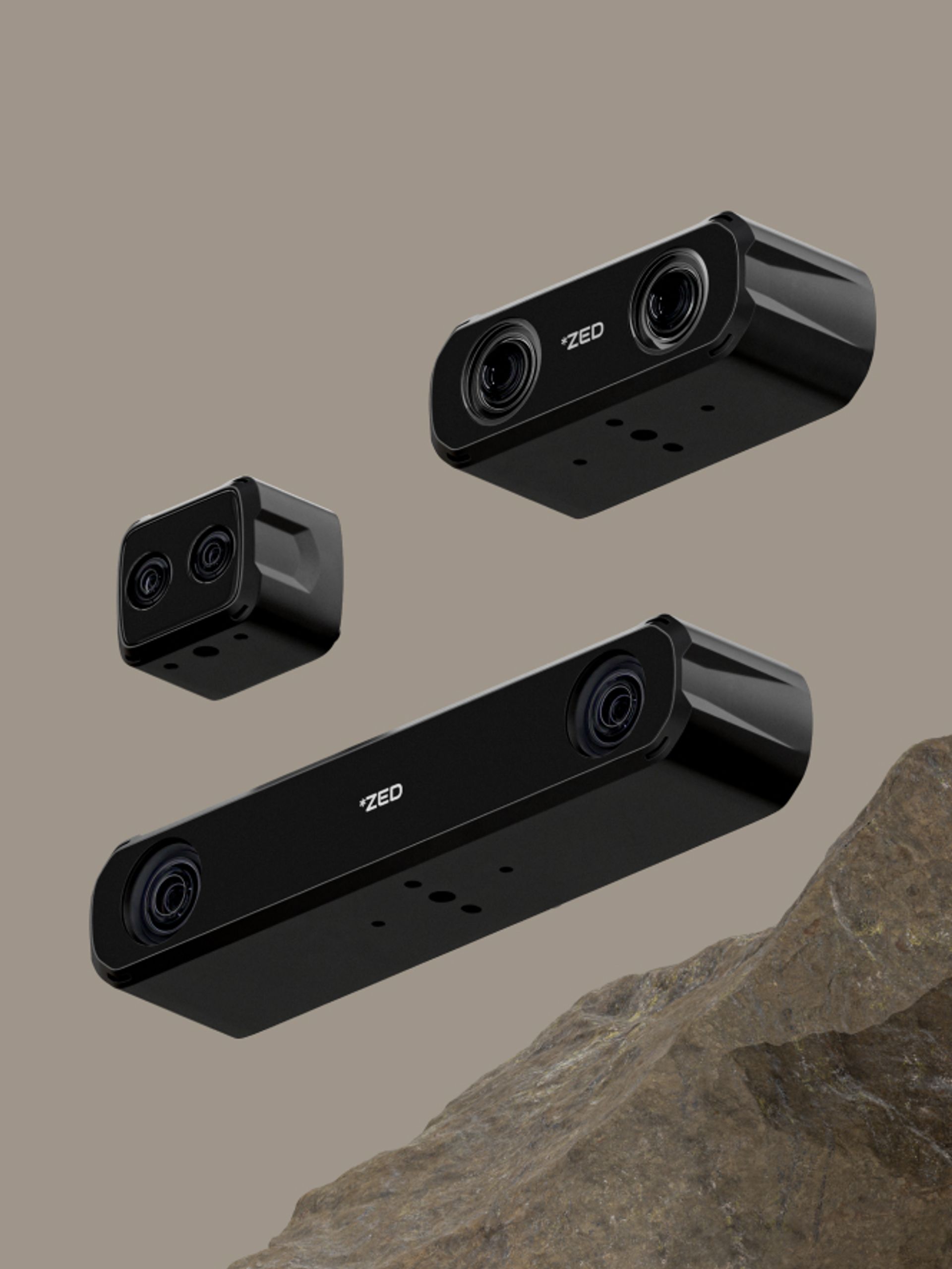
See Stereolabs ZED Cameras live at ROSCon 2026: Plug in a ZED camera and your robot's vision runs on the GPU at full speed
Every robot that moves through the world needs to see it: how far the shelf is, whether a person just stepped into the aisle, where it is on the map. On most robots, that seeing happens on a NVIDIA Jetson, increasingly with NVIDIA Isaac ROS - NVIDIA's toolkit for building and running robot application, including perception, fast on the general processing unit (GPU).
The catch: a vision pipeline is a chain - camera, depth, detection, navigation - and the data between links often takes a detour through the central processing unit (CPU). Each detour costs time and power. On a robot with a fixed power budget, that time and power is often the difference between an on-time reaction and a late one.
Stereolabs, an Ouster company, removes that detour with ZED cameras. Connect a ZED, launch it in Isaac ROS, and images and depth go straight into the pipeline on the GPU, with no unnecessary copies - or detours - in between.
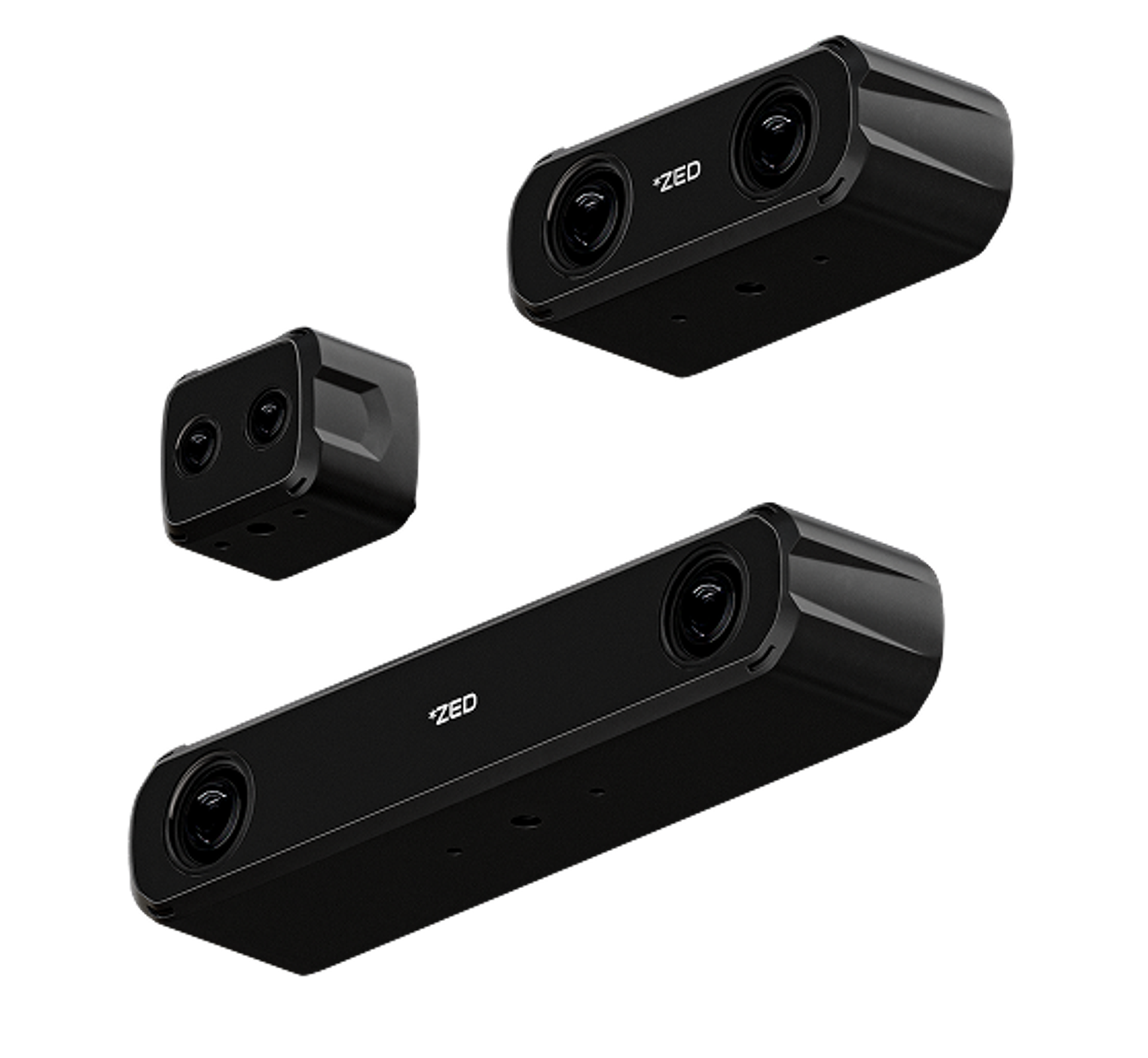
Stereolabs ZED X Family
What You Get
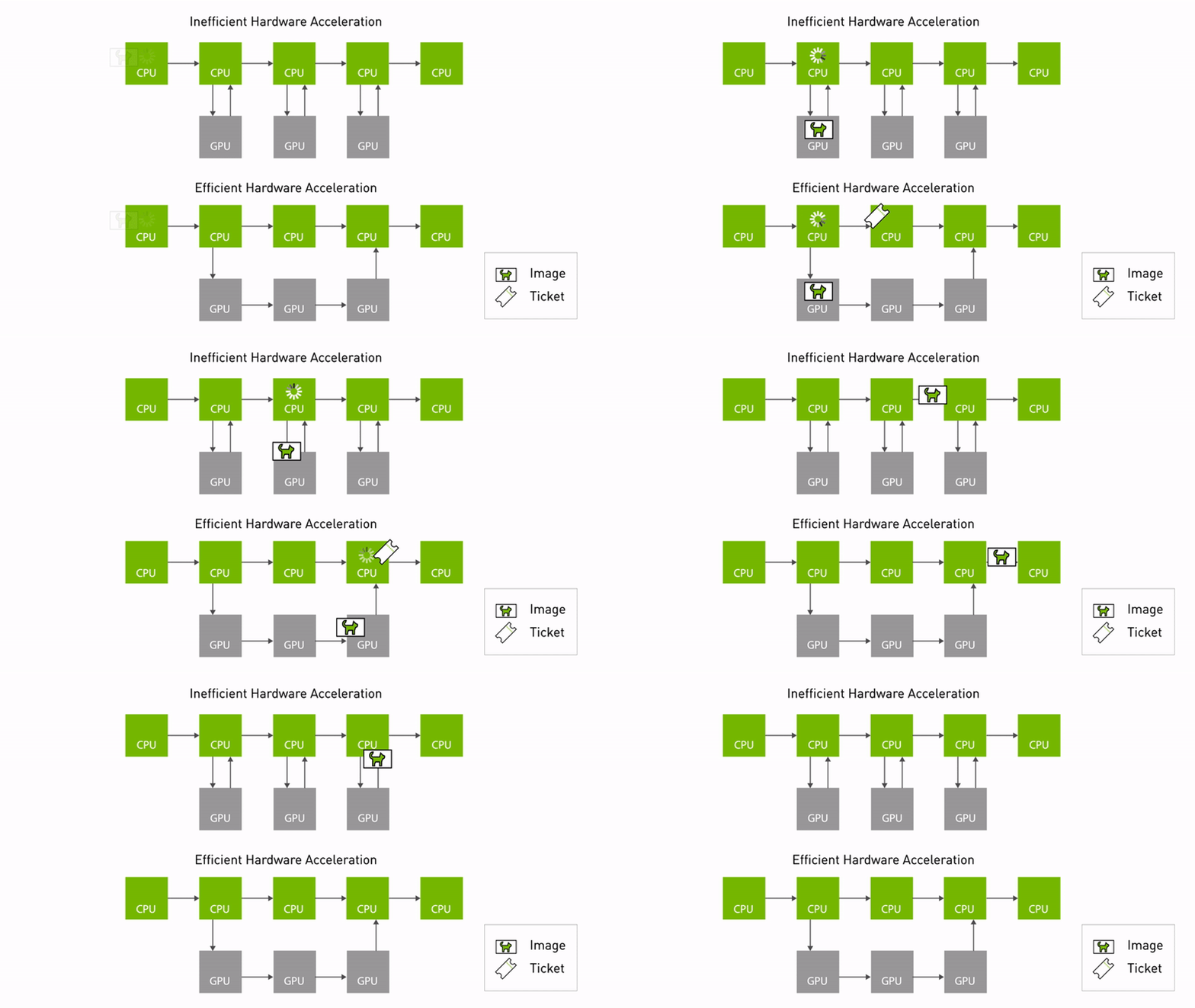
Stereolabs ZED cameras stream depth and images directly from GPU memory using NVIDIA NITROS, eliminating CPU bottlenecks
Why Stereolabs ZED Stereo Vision?
Stereolabs ZED cameras see in 3D the way people do: with two eyes. Two sensors capture the scene and AI turns the pair into a distance for every pixel. Because ZED Stereo Vision uses the light the camera already sees, it works outdoors in sunlight, on plain floors and walls, and at ranges where other sensors can struggle.
The ZED X family (ZED X, ZED X Mini, ZED X Nano) connects to Jetson over GMSL2, the rugged link used in cars: long cables, no interference, and several synced cameras. ZED 2i and ZED Mini offer the same software over USB for prototypes. ZED Box packs the Jetson and camera inputs into one ready-to-mount unit.
The result is a versatile depth-sensing solution built for everything from indoor prototyping to rugged, outdoor deployments.
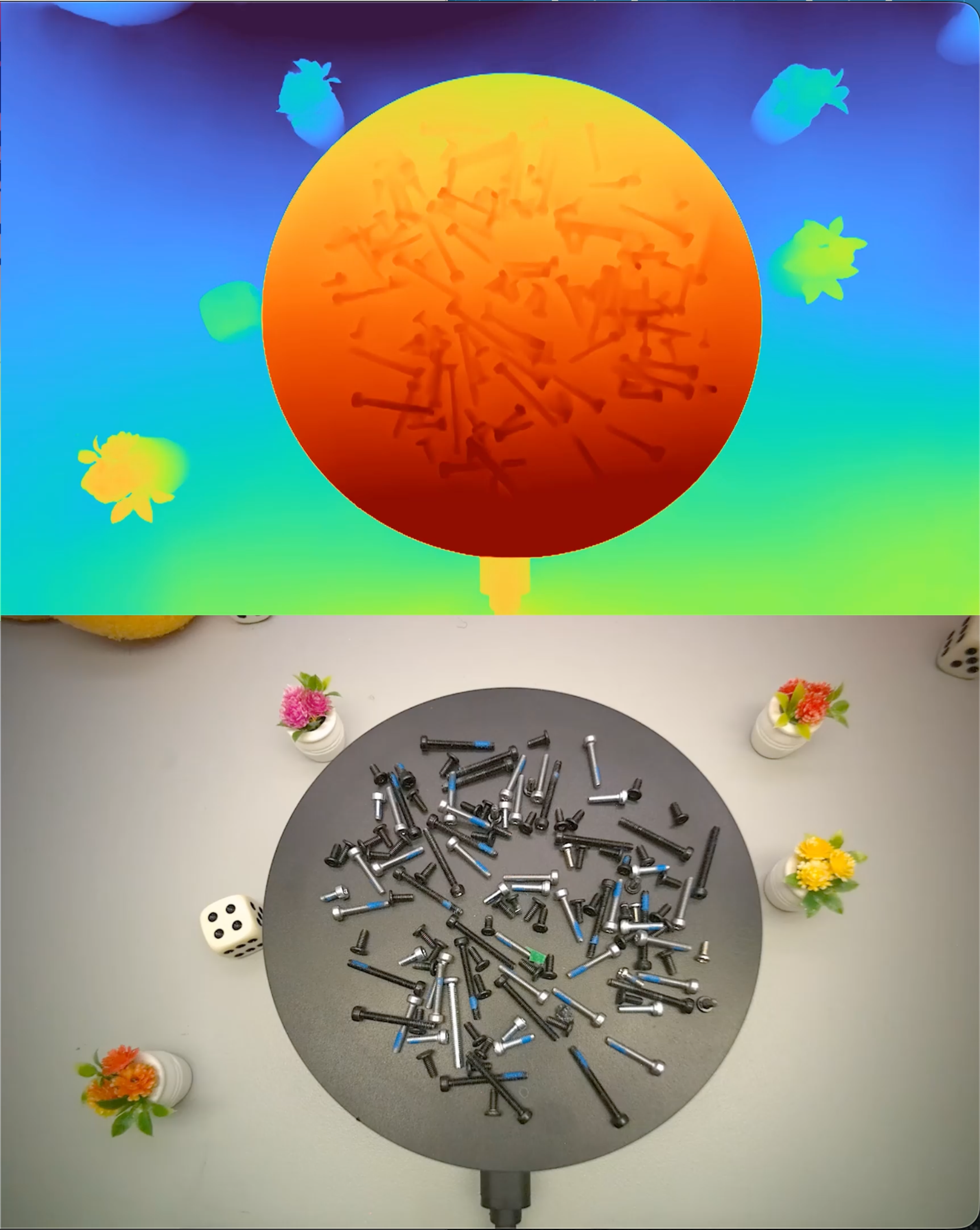
Stereolabs ZED X Nano Depth and RGB Visuals
Simulation to Deployment, No Surprises
Many robotics teams now develop in NVIDIA Isaac Sim, an open simulation framework where a robot can fail a thousand times without breaking anything, and it’s critical that these virtual learnings convert to the real world where things can be broken. The ZED extension for Isaac Sim feeds simulated images into the real ZED software, which is the same software that runs on the robot. What you test is what you deploy: no "simulation version" of your code and minimal surprises on the first real run.
Built for Modern Robotics
The ZED integration for ROS 2 is open source on GitHub; Isaac ROS is freely available from NVIDIA. Development teams get access to professional-grade, GPU-accelerated vision they can read, adapt, and extend, backed by 100,000+ ZED developers.
And as robots move from scripted behavior to AI models that reason about tasks, those models need a clear, real-time picture of the world. ZED delivers it directly on the NVIDIA Jetson platform where the models run and records the synchronized footage they learn from.
Meet Us at ROSCon 2026
Stereolabs will be showcasing ZED cameras at ROSCon Global 2026 in Toronto, September 22–24, at Booth #15. Attendees can view live demonstrations and speak with technical experts about integration.
Get Started
The Isaac ROS integration is part of the standard ZED ROS 2 software purchase—nothing extra to buy. Install the ZED SDK, follow the setup guide for your Jetson, and you're running.