Physical AI
The Cameras Built for Physical AI
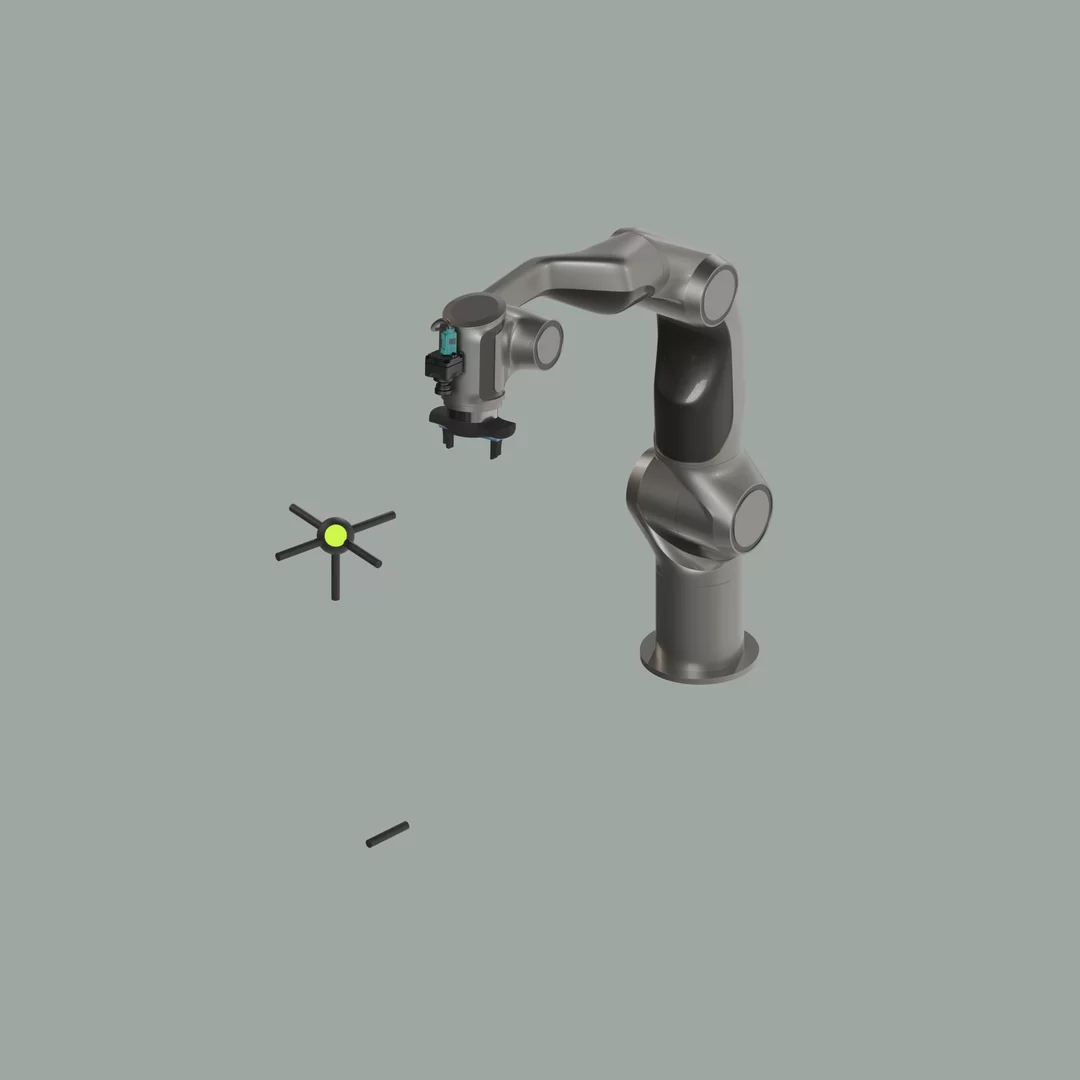
Stereolabs enables Physical AI by delivering the spatial perception layer that turns data into autonomous action, from training to real-time deployment.
Physical AI
Stereolabs enables Physical AI by delivering the spatial perception layer that turns data into autonomous action, from training to real-time deployment.
Physical AI operates in the real world—dynamic, unstructured, and shared with people. Physical AI (or Embodied AI) refers to systems that can perceive, reason, and act in 3D space.
Perception must be spatial, real-time, robust, and scalable - delivering true 3D understanding, fast perception-to-action loops, and reliability under motion, glare, vibration, and clutter, from training to deployment.
When perception works, autonomy thrives.
That’s why Spatial Intelligence is the foundation of Physical AI.

Ultra-fast streaming combined with high-bandwidth NV12 raw streaming delivers ultra-low-latency vision, enabling smooth robot motion and real-time reaction to moving objects for embedded AI processing.

Global shutter captures the full frame simultaneously, preserving geometry during fast motion. This matters for high-speed arms, dynamic walking, and mobile maneuvers — where global shutter is essential.

Choose from multiple lens options, including an ultra-wide fisheye lens that expands the field of view beyond forward vision, reducing blind spots and improving spatial awareness in complex environments.

Compact form factors, industrial-grade interfaces, and flexible integration options enable seamless deployment across diverse robot embodiments and production environments, supporting reliable performance and scalability,

Physical AI requires deployment-grade reliability. Ruggedized options and GMSL2 enable high-bandwidth, low-latency video over long cable runs with improved EMI resistance—critical for complex robot architectures.

Cameras can be synchronized with external hardware such as light strobes, ensuring precisely timed image capture that improves perception accuracy and consistency during manipulation tasks when used with compatible configurations.
Physical AI requires multiple viewpoints and perception roles. That’s why Stereolabs supports both stereo and monocular cameras within the same system — each optimized for a specific function, all sharing the same platform and data pipeline.
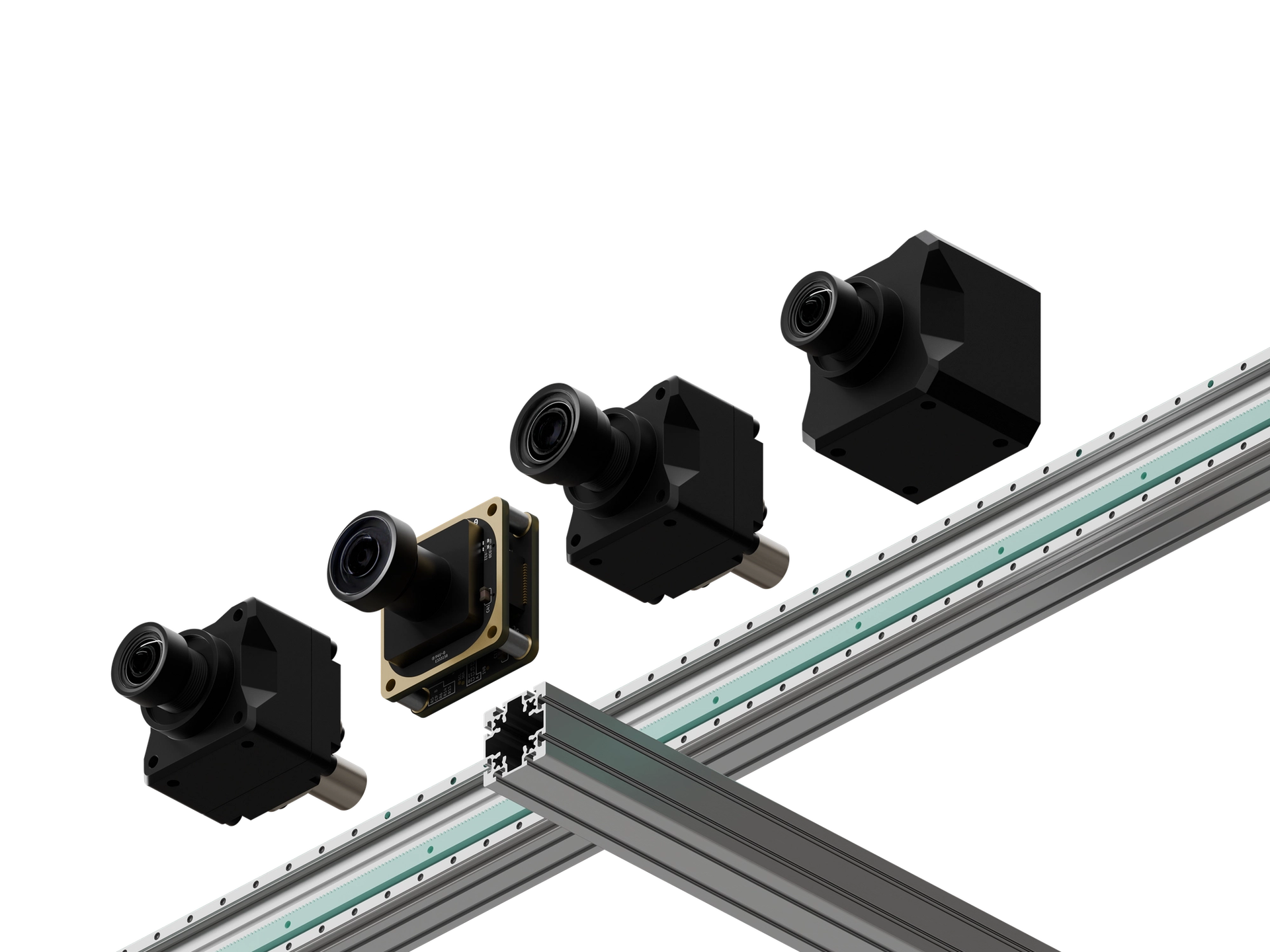
For many Physical AI learning tasks—especially in humanoids—close-range, action-centric data matters. ZED X One enables scalable, dense data collection where size, cost, and deployment density are critical. In these scenarios, monocular vision is often sufficient and sometimes preferable, because learning is driven by motion, appearance, and temporal context rather than full-scene geometry.
Manipulation, tool use, and hand–object interaction
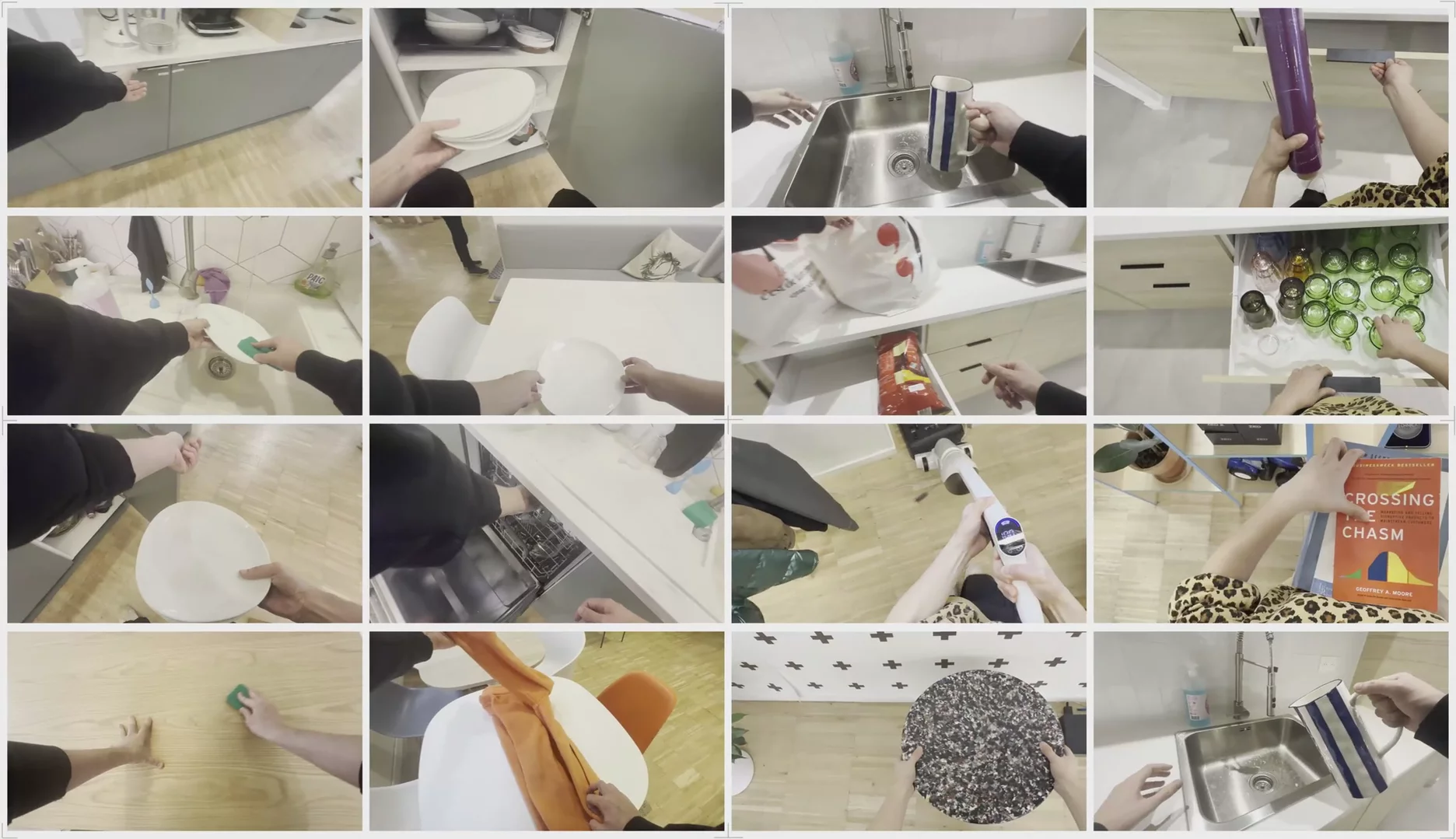
Egocentric data collection
Wrist-mounted and end-effector views
Humanoid head, torso, and surround vision
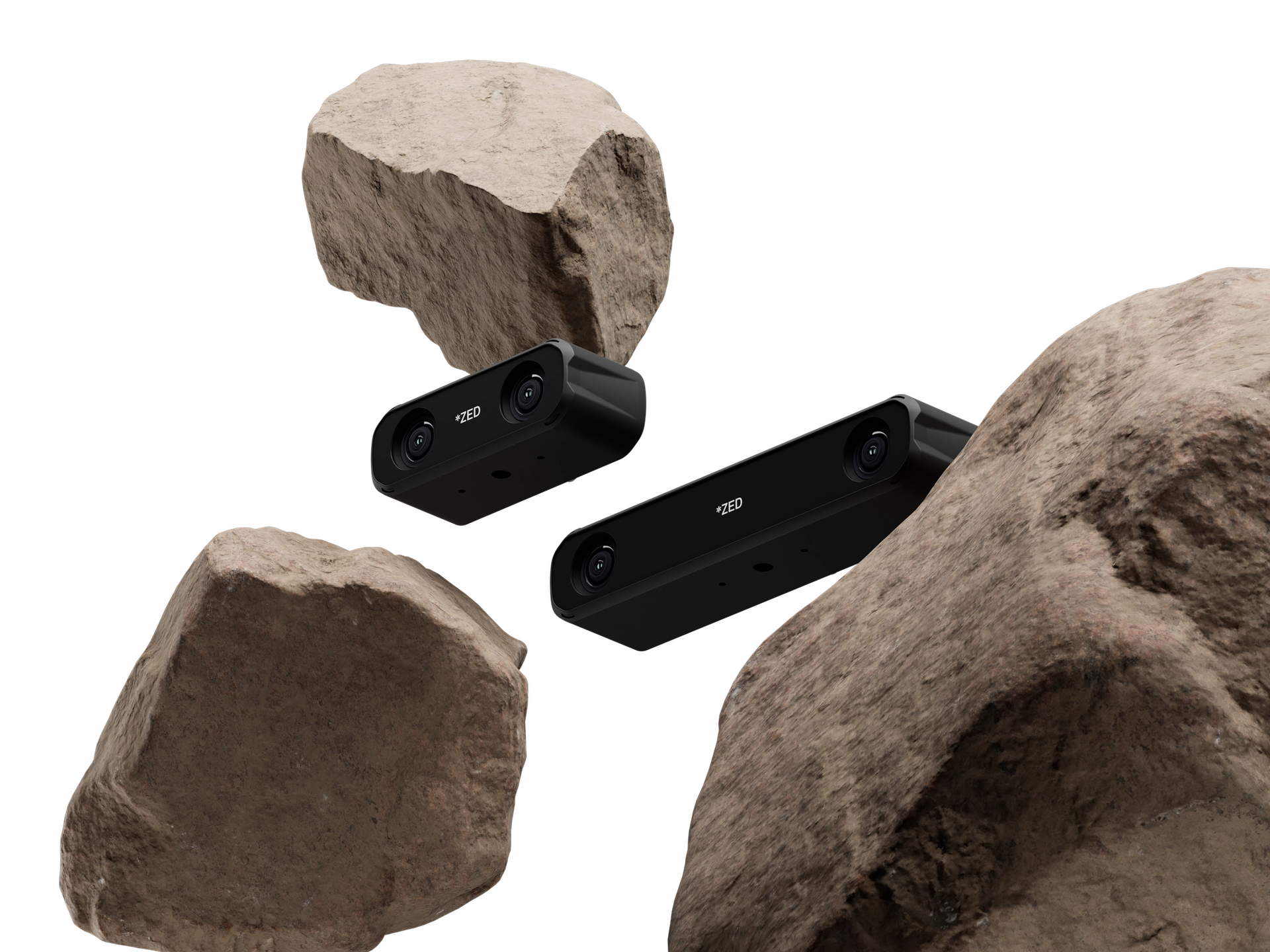
ZED X stereo cameras provide dense 3D geometry with semantic context, enabling robots to understand where they are, how space is structured, and how to move through it safely. With global shutter sensors, ZED X preserves geometric accuracy during fast motion—critical for mobile robots, humanoid locomotion, and dynamic manipulation.
Navigation and localization
World-scale 3D understanding
Occupancy mapping and obstacle avoidance
Mid- to long-range interaction
The fisheye lens enables surround perception with an ultra-wide field of view (up to 200°), capturing peripheral and near-field context in a single frame. It is ideal for comprehensive environmental data collection, reducing blind spots and supporting SLAM, object detection, and interaction-aware Physical AI systems while simplifying sensor placement and robot architecture.

Fisheye optics option enables surround perception. With an ultra-wide 200° field of view, you can achieve complete environmental awareness, SLAM and object detection combining multiple ZED cameras, simplifying your robot architecture.
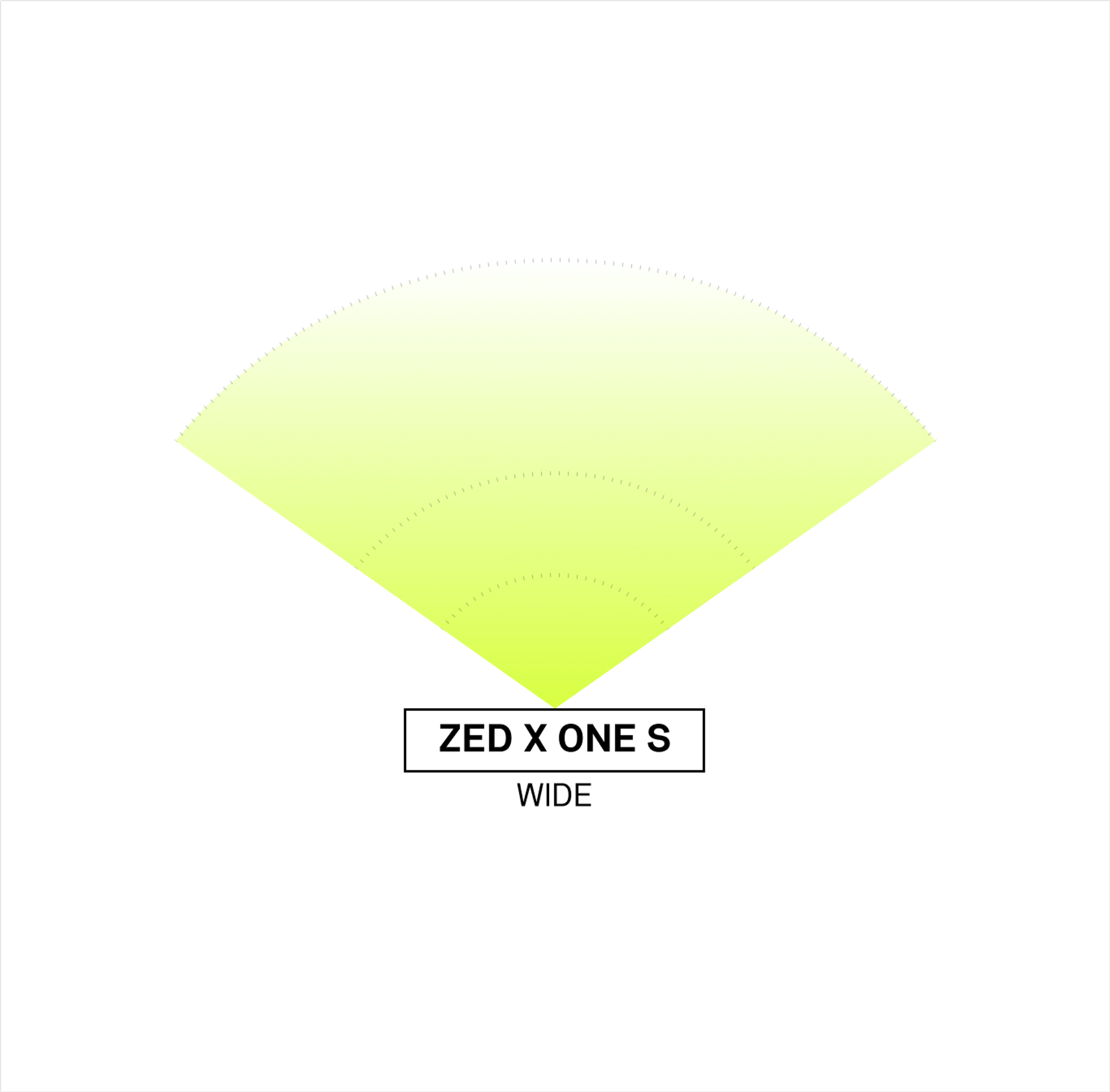
The wide lens provides a balanced field of view for capturing both spatial context and depth information. It is well suited for general-purpose Physical AI data collection, enabling reliable perception for navigation, scene understanding, and interaction across structured and semi-structured environments.

The narrow lens is specifically engineered for short-range and millimetric accuracy in data capture. By narrowing the field of view, it enables precise detection and tracking of nearby objects, making it ideal for applications requiring extreme detail in Physical AI datasets.
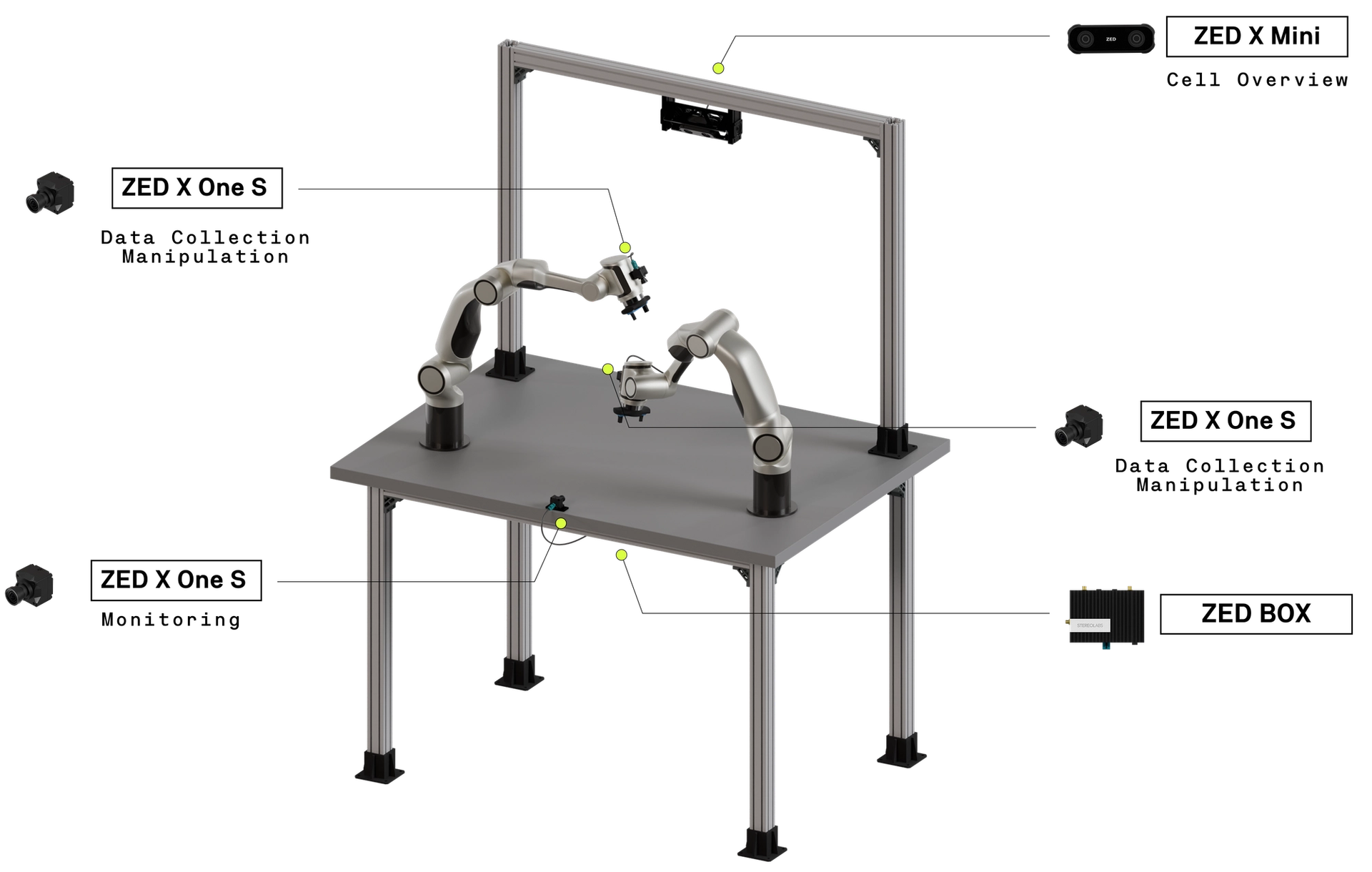
ZED X cameras can be seamlessly integrated into robotic workcells — mounted above the workspace, on the frame, or directly on the robotic arm.
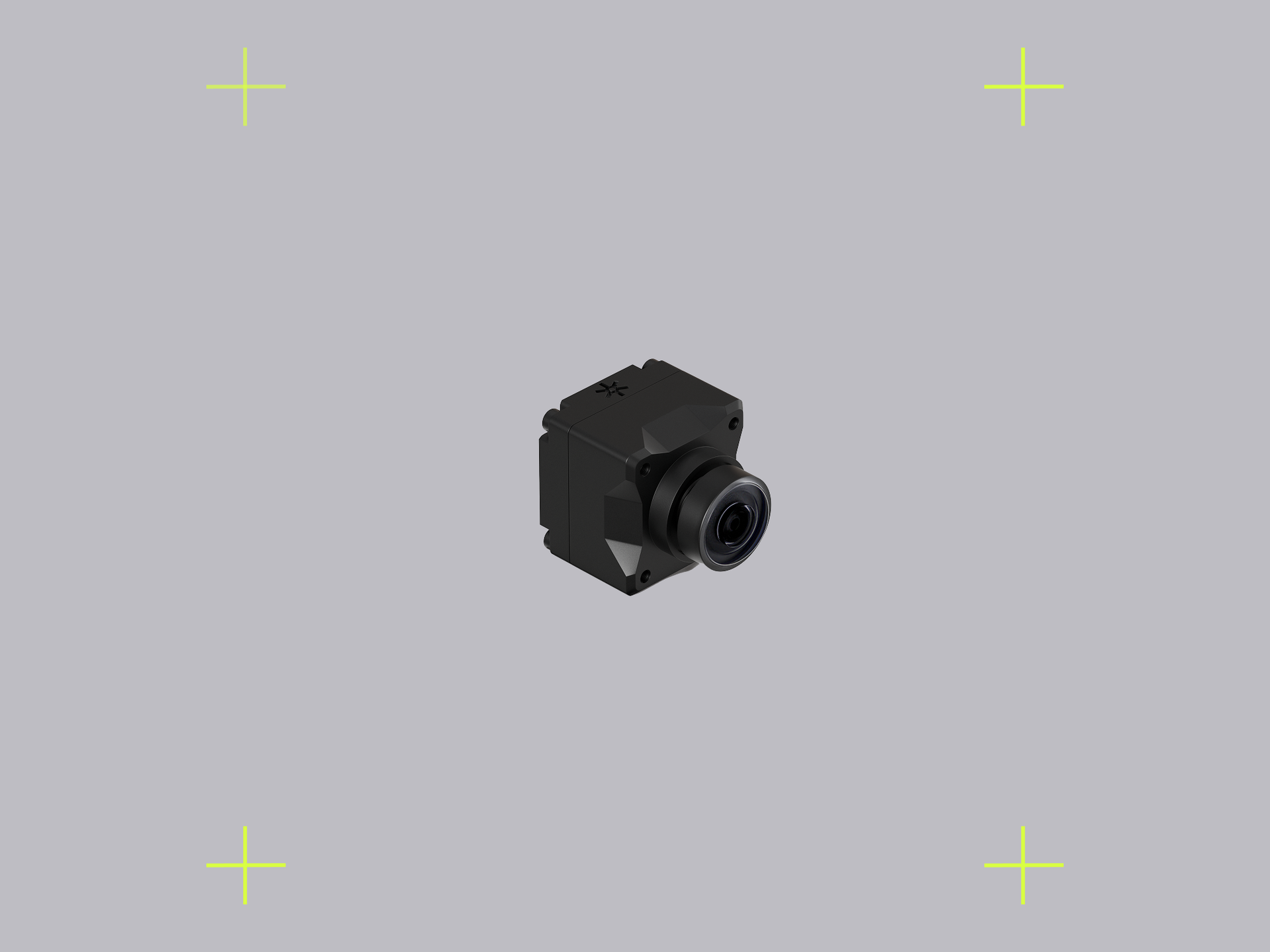
The ZED X One S is the compact version of ZED X One. 35% smaller and lighter, it’s the ideal choice for space-constrained industrial robots — from pick-and-place robotic arms to next-generation humanoid platforms. Fisheye lens available.
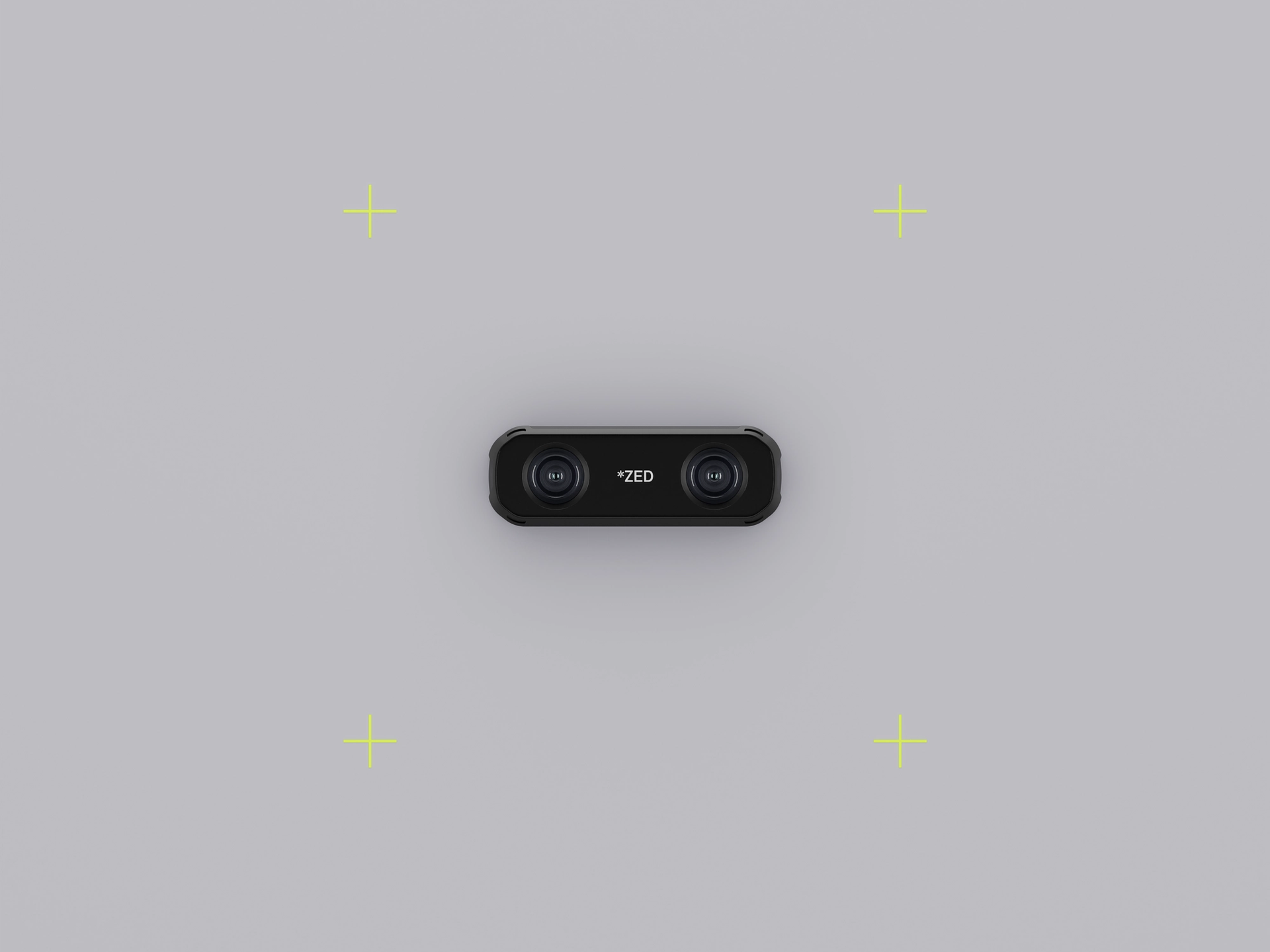
The ZED X Mini is the ideal choice for manipulation tasks across agriculture, logistics and construction. This camera is especially well adapted to short-range applications such as automation and picking.
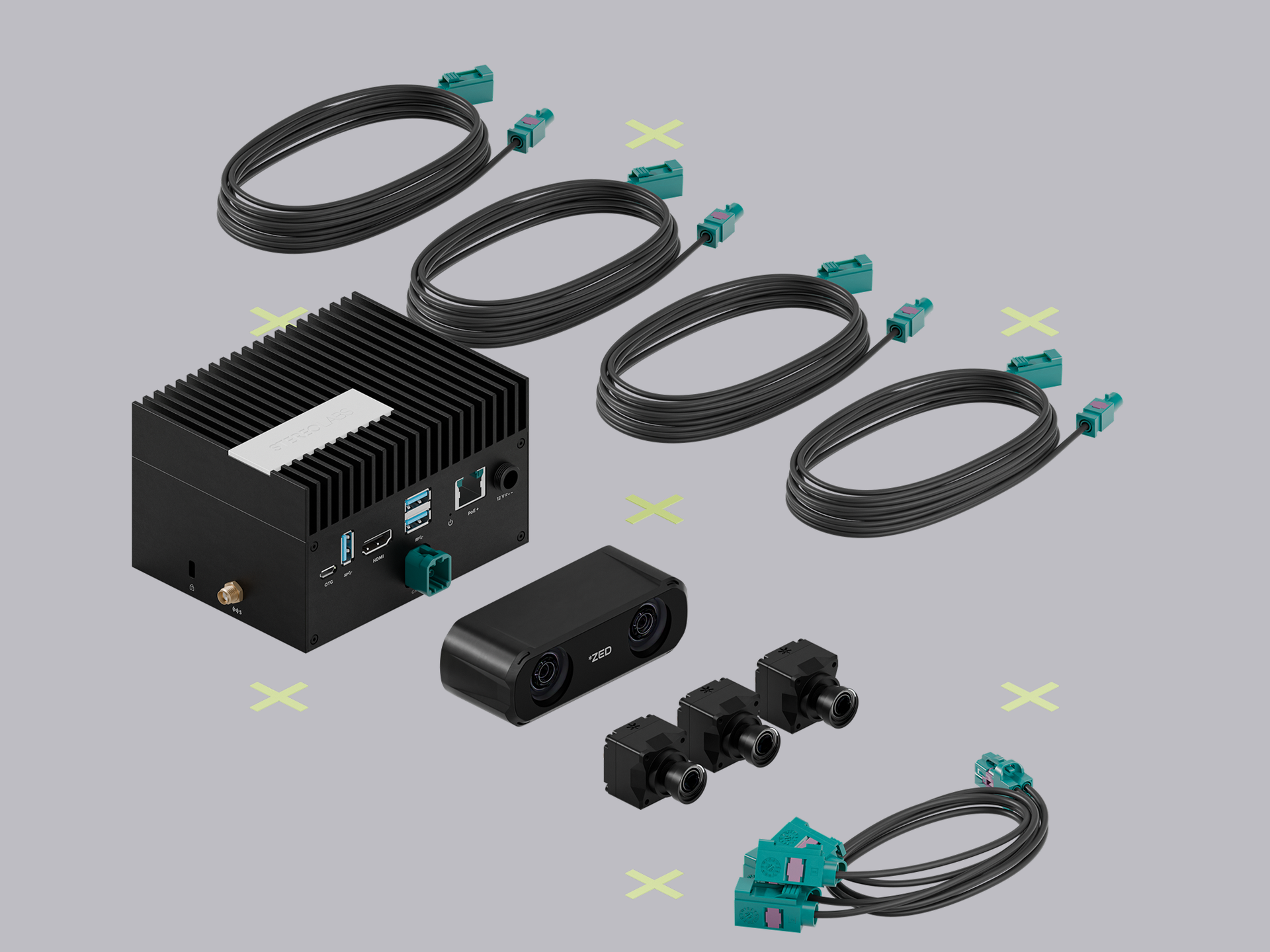
Powered by the ZED Box Orin NX 16GB with integrated GMSL2 capture, this setup combines stereo depth perception with extended mono camera coverage to capture synchronized, multi-view datasets in complex real-world environments. Ideal for training VLA models with true 3D understanding and fast perception-to-action loops.
In the transition from automated systems to truly intelligent machines, the camera deliver the spatial perception architecture shaping the future of Physical AI.
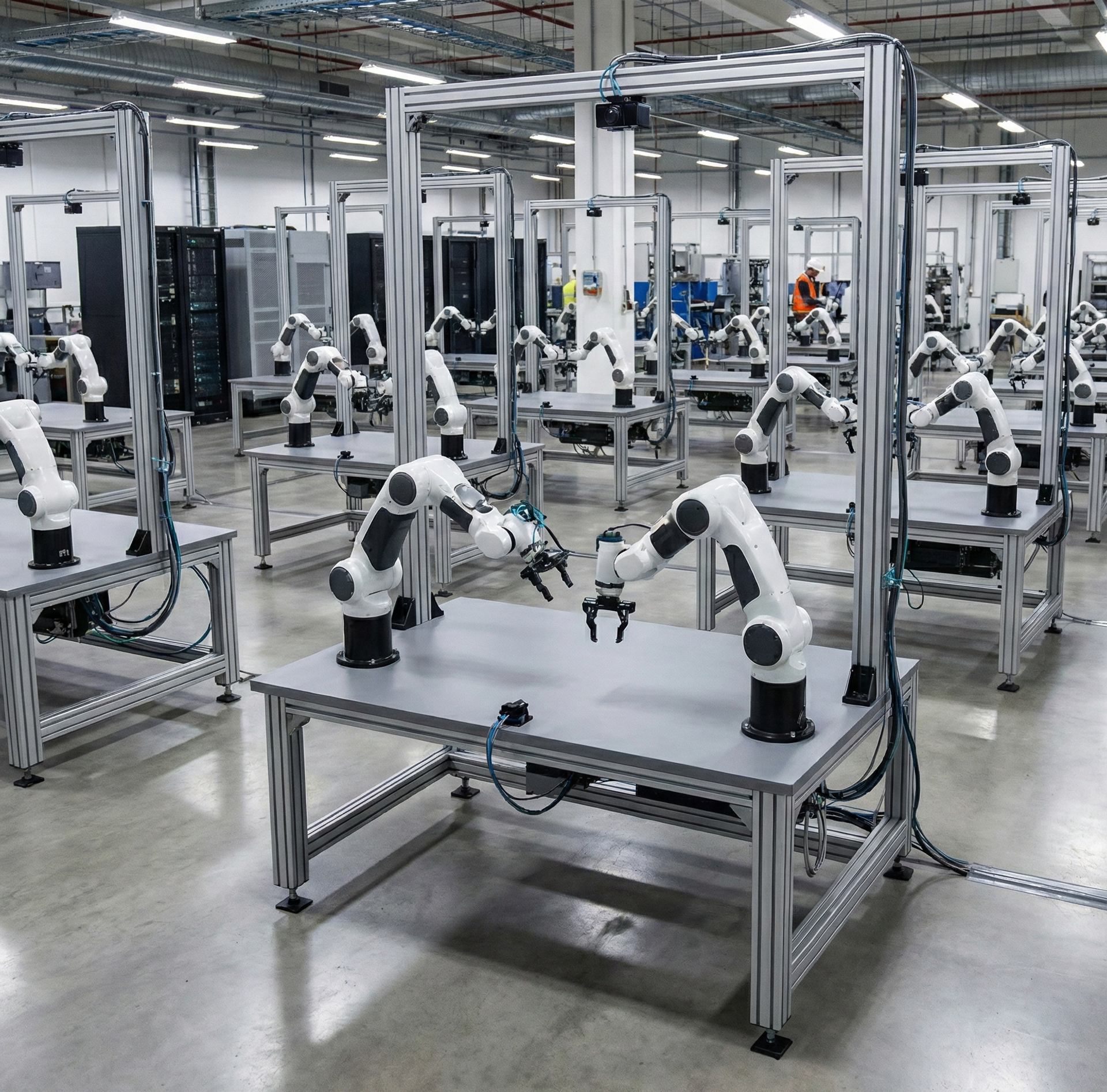
ZED X cameras support high-volume, centralized data collection in controlled environments where lighting, object placement, and task parameters are standardized. This ensures consistency across demonstrations, reduces noise, and enables precise action labeling for scalable robot learning and world model training.
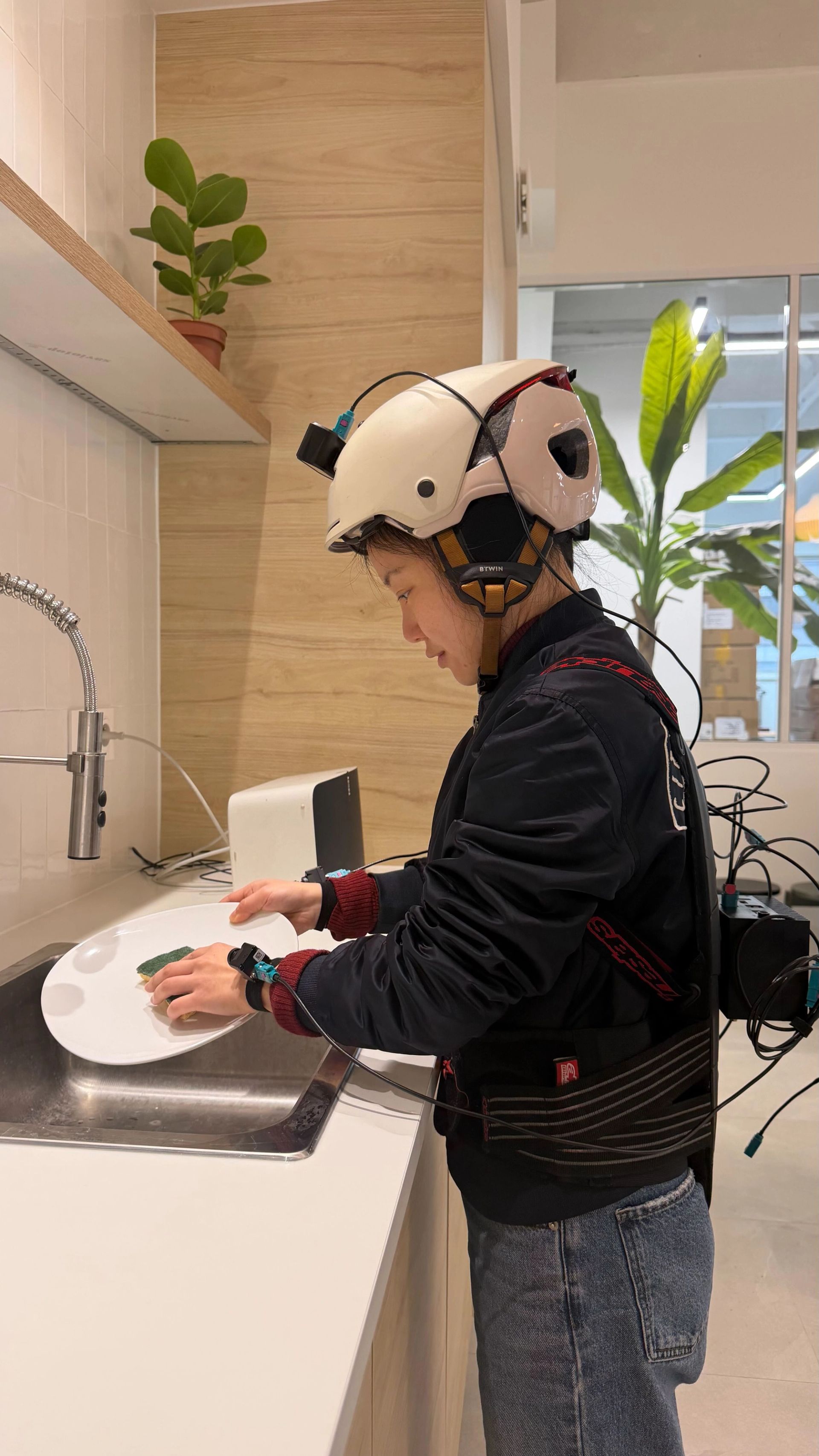
With compact form factors, ZED X One enables head- or chest-mounted configurations to capture tasks from the demonstrator’s natural viewpoint. By recording realistic motion and hand–object interactions, it generates high-quality egocentric datasets for humanoids and general-purpose Physical AI systems.
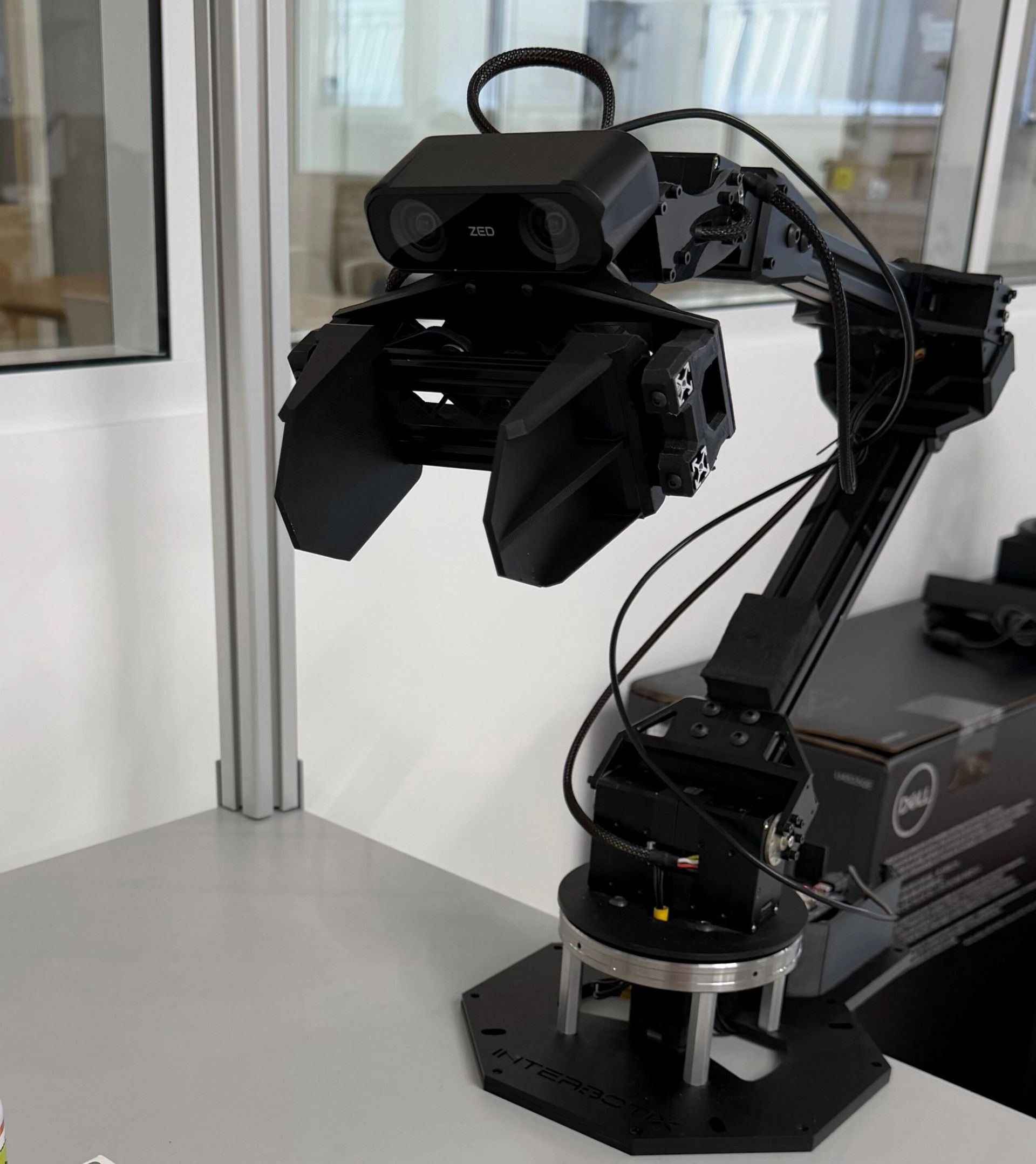
Designed for close-range deployment, ZED X can be integrated into wrist-mounted setups to capture fine-grained manipulation during assembly, tool use, and coordinated bimanual tasks. This action-centric perspective supports precise labeling and accelerates learning of dexterous motor policies.
Unlock vision-driven precision for your machine. Get in touch with our team and get started on your project development with a tailored approach, and in-depth advices.